Advanced Channel Manager Strategies for Unique Properties
Master advanced channel manager configurations for unique short-term rental scenarios. Optimize bookings, automate tasks, and scale your portfolio efficiently.
Introduction
The short-term rental landscape is a vibrant, ever-evolving ecosystem. From quaint countryside cottages to bustling urban lofts and luxurious beachfront villas, property managers constantly navigate a diverse array of properties, each with its own charm and set of operational demands. While the dream is to fill every calendar night with happy guests, the reality often involves juggling availability, pricing, and booking rules across multiple platforms. This is where a robust channel manager becomes an indispensable ally.
Initially, a channel manager might seem like a simple tool for syncing calendars. However, for those managing unique properties or a growing portfolio, unlocking its full potential means diving into advanced configurations. This article will guide you through sophisticated strategies, helping you move beyond basic synchronization to truly optimize your operations, cater to unique property scenarios, and elevate your short-term rental automation to new heights.
Beyond Basic Sync: Understanding Advanced Channel Manager Capabilities
At its core, a channel manager is designed to streamline the distribution of your rental listings across various Online Travel Agencies (OTAs) like Airbnb, Booking.com, Vrbo, and more. It acts as a central hub, pushing availability, rates, and property details to these platforms while pulling in new bookings and updating calendars in real-time. This prevents dreaded double-bookings and ensures consistent information across the board.
However, modern channel managers, such as industry leaders like Superhote, Smoobu, and Beds24, offer far more than just basic calendar synchronization. They provide a suite of powerful tools that allow property managers to customize their distribution strategies with granular precision. These advanced configurations enable you to tailor pricing, availability, and booking rules not just per property, but often per channel, per season, or even per day of the week, addressing the specific nuances of your rental business.
Navigating Complex Booking Rules for Unique Properties
Every short-term rental has its own rhythm and requirements. A beachfront villa might thrive on weekly bookings during peak season, while a city apartment might benefit from flexible short stays. Mastering complex booking rules within your channel manager is key to maximizing revenue and operational efficiency for these unique property scenarios.
Consider these advanced strategies:
- Minimum/Maximum Stay Restrictions: Go beyond a blanket 2-night minimum. Set longer minimum stays during high demand periods (e.g., 7 nights in summer) or specific days (e.g., 3 nights for a weekend booking). Conversely, use shorter minimums during low season or to fill last-minute gaps. Some channel managers even allow maximum stay limits to prevent long-term squatters or ensure property turnover.
- Lead Time Requirements: For properties requiring extensive preparation, you might set a 24-hour lead time, preventing same-day bookings. Alternatively, for properties that can accommodate last-minute guests, you can reduce this to a few hours, capturing spontaneous travelers.
- Gap Filler Rules: These clever rules automatically reduce minimum stay requirements for small gaps between existing bookings. For instance, if you have a 2-night gap between two 7-night bookings, the system can temporarily allow a 2-night stay, preventing lost revenue.
- Dynamic Pricing & Seasonal Overrides: While often integrated with specialized pricing tools, your channel manager allows you to implement seasonal pricing adjustments and special promotions directly. This includes setting different rates for weekdays vs. weekends, applying discounts for longer stays, or increasing prices for local events.
By meticulously configuring these rules, you can optimize your booking calendar, minimize empty nights, and ensure your property's unique operating needs are met.
Multi-Property Management: Scaling with Precision
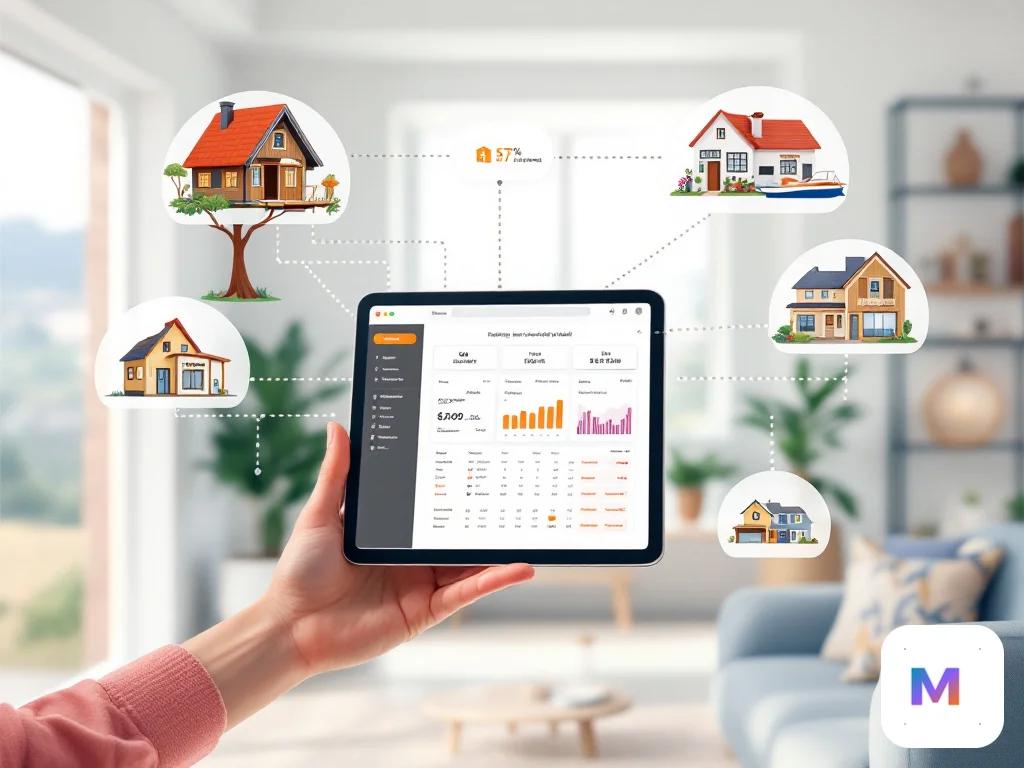
For property managers overseeing a diverse portfolio, the challenge isn't just managing one unique property, but many. This is where the multi-property management capabilities of a sophisticated channel manager become invaluable. Instead of logging into separate accounts or manually updating each listing, you can centralize control and apply strategies across your entire portfolio with precision.
Imagine managing a mix of luxury apartments, family-friendly homes, and boutique studios. A robust channel manager allows you to:
- Centralized Dashboard: View all your properties, bookings, and availability from a single interface.
- Group Management: Categorize properties by type, location, or owner, allowing you to apply specific rules or updates to an entire group rather than individually.
- Template-Based Settings: Create templates for common property types, applying consistent settings for pricing structures, cancellation policies, and house rules. You can then make individual overrides for specific properties as needed.
- User Access Control: Grant different levels of access to team members, such as cleaners, maintenance staff, or reservation agents, ensuring everyone has the information they need without compromising sensitive data.
This centralized approach not only saves an immense amount of time but also ensures consistency in your brand's presence across all channels, critical for delivering a professional guest experience and scaling your business effectively.
Advanced Strategies for Niche or Specialized Rentals
Some properties don't just have "unique" needs; they have "niche" requirements that demand even more intricate handling. Think beyond the standard family home to rentals that serve a very specific purpose or clientele.
- Event-Ready Venues: If your property doubles as a small event space (e.g., a barn for weddings, a large villa for corporate retreats), your channel manager can help manage block-out dates, special event pricing, and specific booking instructions separate from standard overnight stays.
- Pet-Friendly Properties: Beyond simply stating "pets allowed," you might need to configure pet fees, specify pet size limits, or even block certain dates for guests with animals if you have specific cleaning schedules or allergen considerations.
- Accessibility Features: Ensure your listings accurately reflect accessibility features and that booking rules don't inadvertently exclude guests who require specific accommodations. While the channel manager might not directly manage the physical aspects, it ensures the information is correctly distributed.
- Add-ons and Upselling: While many add-ons are managed within a Property Management System (PMS), some channel managers allow for basic add-on configuration, such as early check-in/late check-out fees, which can directly influence booking revenue.
By leveraging advanced configurations for these unique property scenarios, you can ensure your specialized rentals attract the right guests, are priced appropriately, and operate smoothly without manual intervention for every booking.
Integrating for Enhanced Short-Term Rental Automation
The true power of an advanced channel manager is realized when it becomes a central component of a larger ecosystem of short-term rental automation tools. While channel managers excel at distribution, they often integrate seamlessly with other specialized software to create a highly efficient, hands-off operation.
Consider these integrations:
- Property Management Systems (PMS): Your channel manager often works hand-in-hand with a PMS to manage guest communication, housekeeping schedules, financial reporting, and owner statements. This creates a unified backend for all property operations.
- Dynamic Pricing Tools: While channel managers can handle basic rate adjustments, dedicated dynamic pricing software uses algorithms to constantly adjust your rates based on market demand, competitor pricing, and local events, pushing optimized prices directly through your channel manager.
- Smart Home & Access Control: Integrate with smart locks and thermostat systems to automate guest access and energy management, further enhancing the guest experience and operational efficiency.
- Cleaning & Maintenance Software: Automatically trigger cleaning tasks and maintenance requests based on check-out dates, ensuring your properties are always guest-ready.
This interconnected web of tools, with your channel manager at its core, minimizes manual tasks, reduces human error, and provides a comprehensive solution for managing even the most complex portfolios. It frees up your time to focus on strategic growth, guest satisfaction, and identifying new unique property scenarios to add to your portfolio.
Conclusion
Mastering the advanced configurations of your channel manager is no longer a luxury but a necessity for thriving in the competitive short-term rental market. Whether you're navigating complex booking rules, scaling with multi-property management, or catering to highly unique property scenarios, a robust channel manager like Superhote, Smoobu, or Beds24 provides the foundation for success. By leveraging these powerful tools, you can achieve unprecedented levels of efficiency, boost occupancy, enhance guest satisfaction, and significantly reduce operational headaches.
Even with the most sophisticated channel manager and its integrations, certain complex, repetitive tasks can still consume valuable time. Imagine an intelligent layer that sits atop your existing setup, learning your specific operational patterns and automating decisions that even advanced settings can't fully capture. This is where an AI automation add-on like Megahote comes into play. Megahote doesn't replace your channel manager; instead, it complements these essential tools by adding an extra layer of AI-driven intelligence, turning your short-term rental automation into a truly hands-off experience. It's the next step in optimizing your operations, allowing you to focus on strategy and growth while the AI handles the intricacies.